Earth Month is always a reminder that protecting our coastlines takes both community action and policy advocacy. This year, the Surfrider Foundation's San Francisco Chapter came together across beaches, waterways, and government halls to make a meaningful impact for our ocean, waves, and beaches.
From restoring dunes at Ocean Beach to advocating against offshore oil drilling at the state and federal level, April was filled with hands-on stewardship and civic engagement.
Celebrating the Coastal Act on it's 50th Anniversary
We started Earth Month off with our monthly Chapter Meeting celebrating the 50th Anniversary of the Coastal Act and the importance of protecting it.
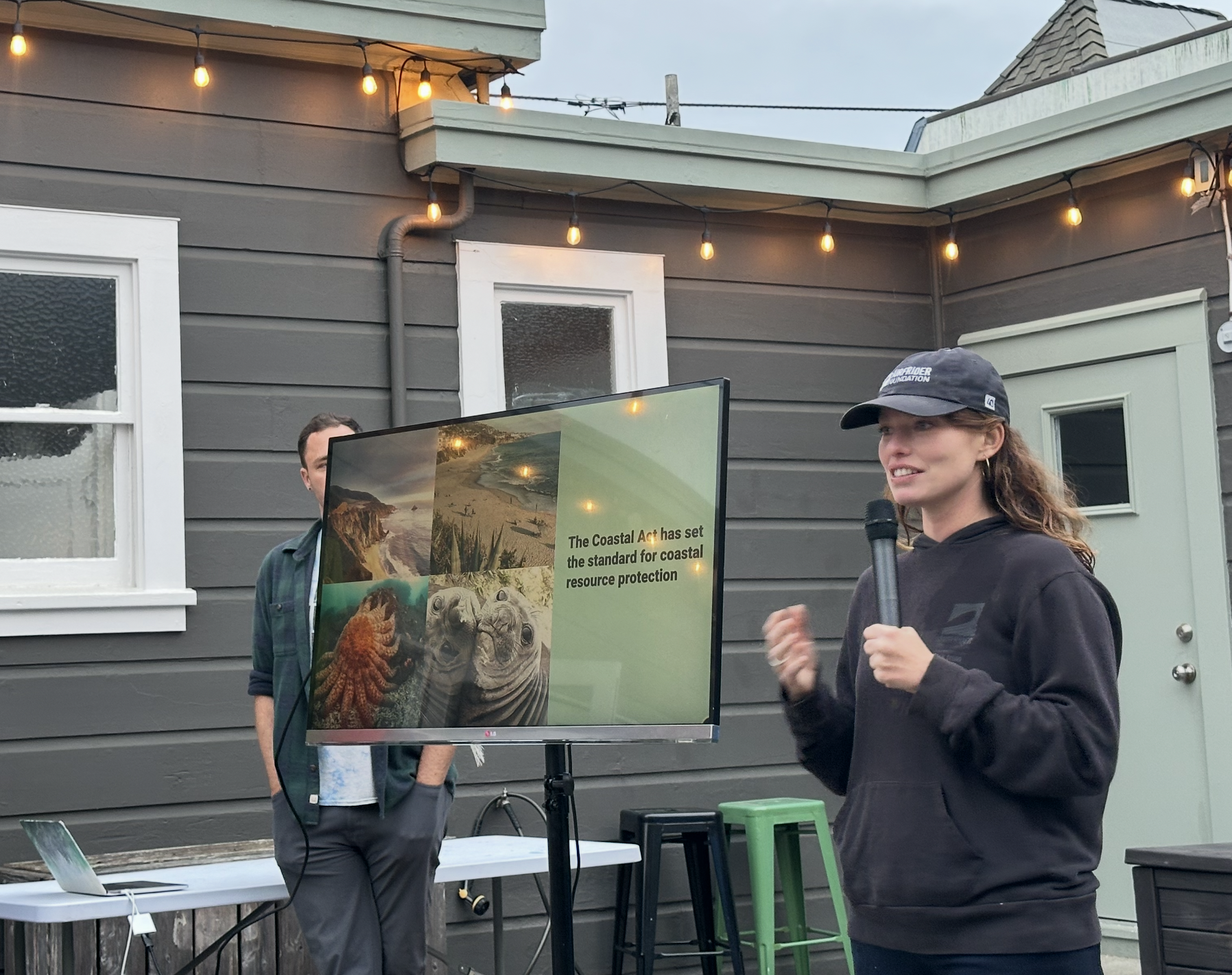 Executive Committee Members Jackson Oberlink and Laura Walsh leading the conversation about the Coastal Act.
The Coastal Act has safeguarded public beach access, coastal ecosystems, and responsible development along California’s shoreline for the past 50 years. Community members and grassroots organizers fought to establish these protections and community involvement remains essential today. As new threats to coastal access and environmental protections continue to emerge, it will once again be community members, advocates, and local organizers who help ensure the Coastal Act remains strong for future generations.
The conversation served as a reminder that many of the beaches and coastal spaces we enjoy today remain accessible because of decades of environmental advocacy and civic engagement.
Restoring the Dunes at Ocean Beach
One of the highlights of the month was our dune revegetation event at Ocean Beach on Earth Day. 25 volunteers installed brush (recycled tree branches) to protect the newly planted dune grass, Beach Wildrye, Leymus Mollis. Planting native vegetation stabilizes sand, supports biodiversity, and strengthens the coastline against erosion and sea level rise.
.jpg?width=1200&length=1200&name=_U_13972%20(1).jpg)
.jpg?width=1200&length=1200&name=_U_14033%20(1).jpg)
.jpg?width=1200&length=1200&name=_U_14003%20(1).jpg)


Dunes are more than scenic landscapes. They are natural infrastructure that protects coastal communities and provides habitat for native species. With every plant placed into the sand, volunteers contributed to the long-term resilience of San Francisco’s coast. Whether it was someone attending their first Surfrider event or a longtime volunteer returning to the beach, the day reflected the power of collective stewardship.
.jpg?width=6000&height=4000&name=_U_14003%20(1).jpg) Photo: Guru Khalsa @gurufoto
Photo: Guru Khalsa @gurufoto
Beach Cleanups that Drive Policy Change
Throughout Earth Month, the Surfrider Foundation San Francisco Chapter hosted seven beach cleanups, bringing together over 500 volunteers to protect San Francisco’s shoreline. Together, volunteers removed thousands of pounds of trash from local beaches while contributing to one of Surfrider’s most important forms of community science.
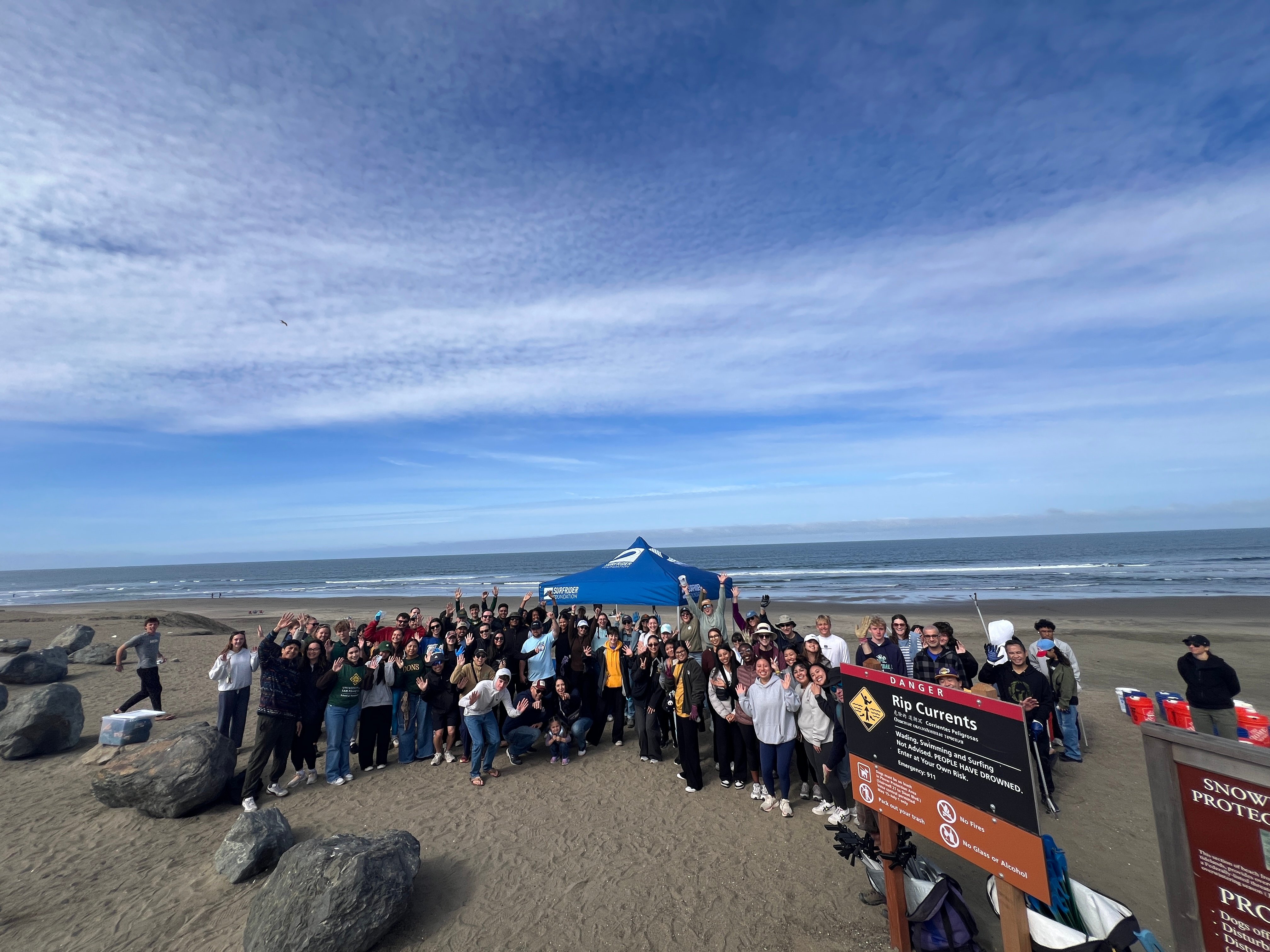
At every cleanup, volunteers collect detailed data on the types of litter found on the beach. From cigarette butts and plastic fragments to food packaging and single-use items, this information helps identify the sources and trends of pollution impacting our coastline.
That data plays a critical role in shaping environmental policy at the local, state, and federal level. By documenting what consistently washes up on our beaches, Surfrider can advocate for stronger waste reduction policies, plastic pollution legislation, and corporate accountability measures backed by real community science.
Cleanups are both direct action and data collection. Every item tracked helps build the case for systemic solutions that prevent pollution before it reaches the ocean.
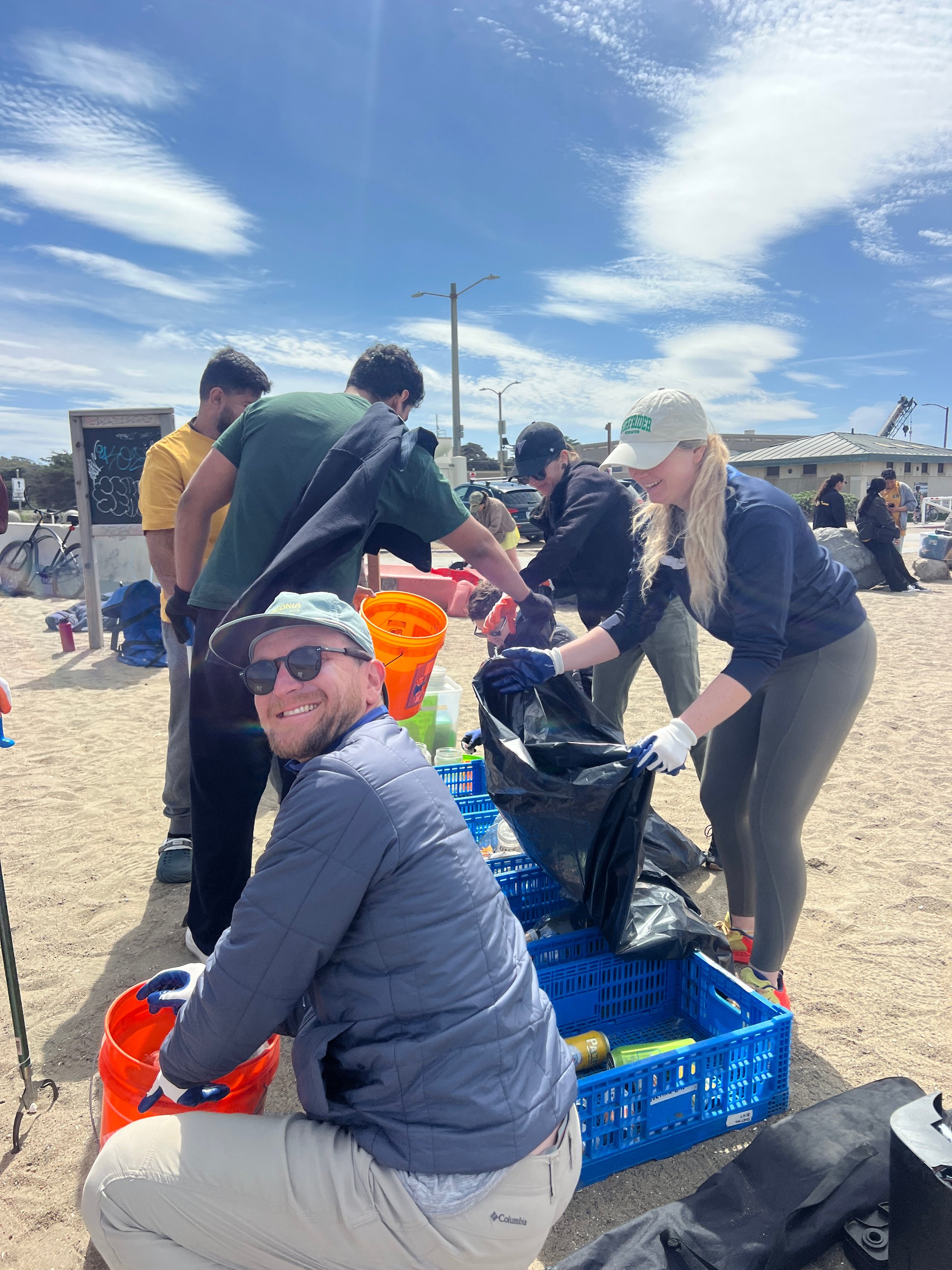
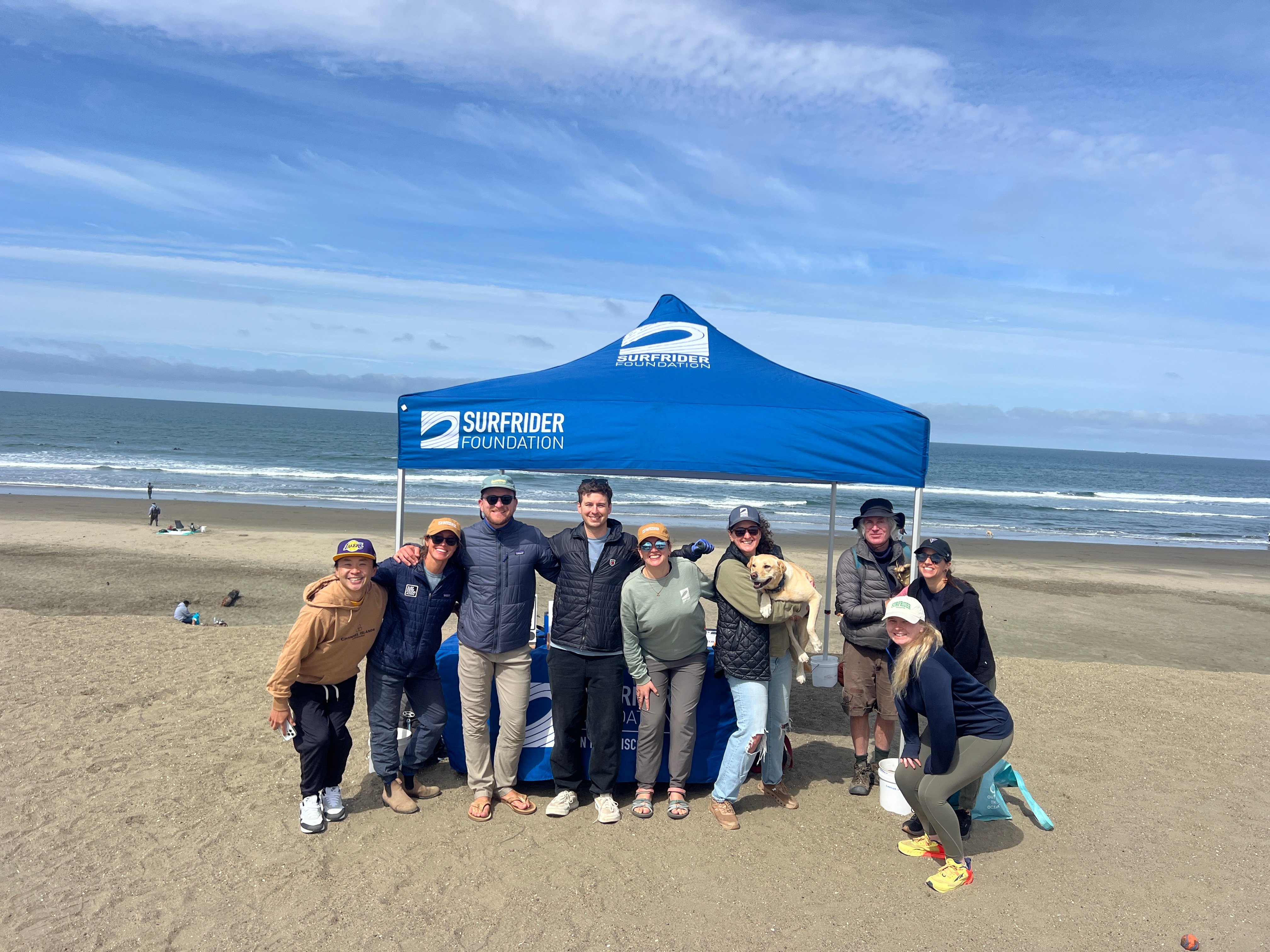
Huge thank you to the crew at Patagonia San Francisco who sent their team out to help us lead cleanups throughout the month.
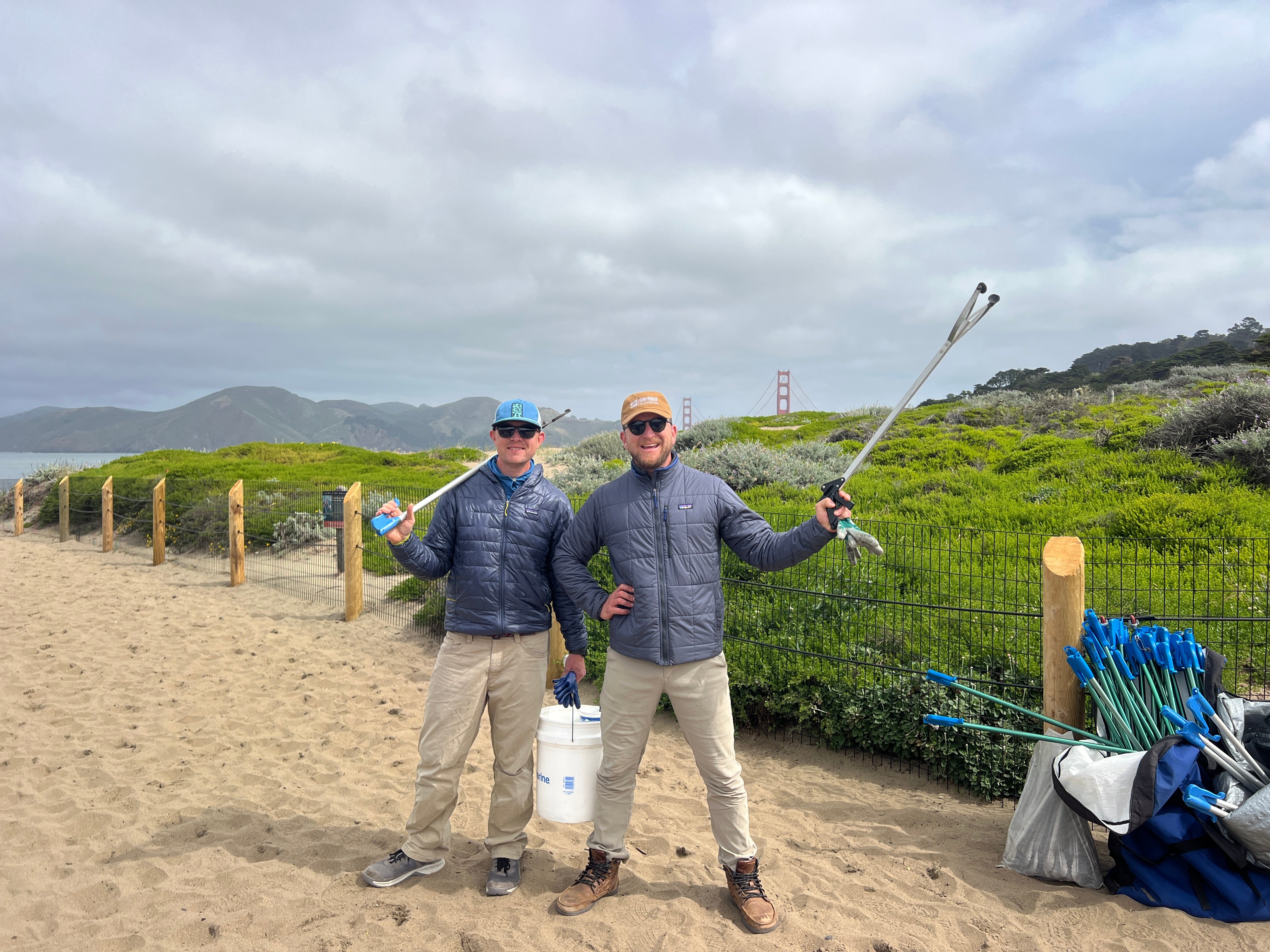 Beau Gutfreund and Will Easlea from Patagonia San Francisco helping lead a private cleanup at Baker Beach.
Blue Water Task Force: Protecting Public Health Through Water Testing
Earth Month also highlighted the work of the Blue Water Task Force, Surfrider’s volunteer-led water quality monitoring program.
Through regular water testing and storm testing, volunteers help monitor bacteria levels at local beaches and waterways, providing the public with important information about recreational water safety. Community science programs like the Blue Water Task Force are critical for identifying pollution issues, increasing transparency, and advocating for cleaner water infrastructure.
By collecting and sharing data, volunteers are helping protect both ecosystem health and public health.
Check out our Blue Water Task Force data here and get involved.
.jpg?width=3024&height=4032&name=IMG_5599%20(2).jpg)
Protecting California’s Coast at Ocean Day
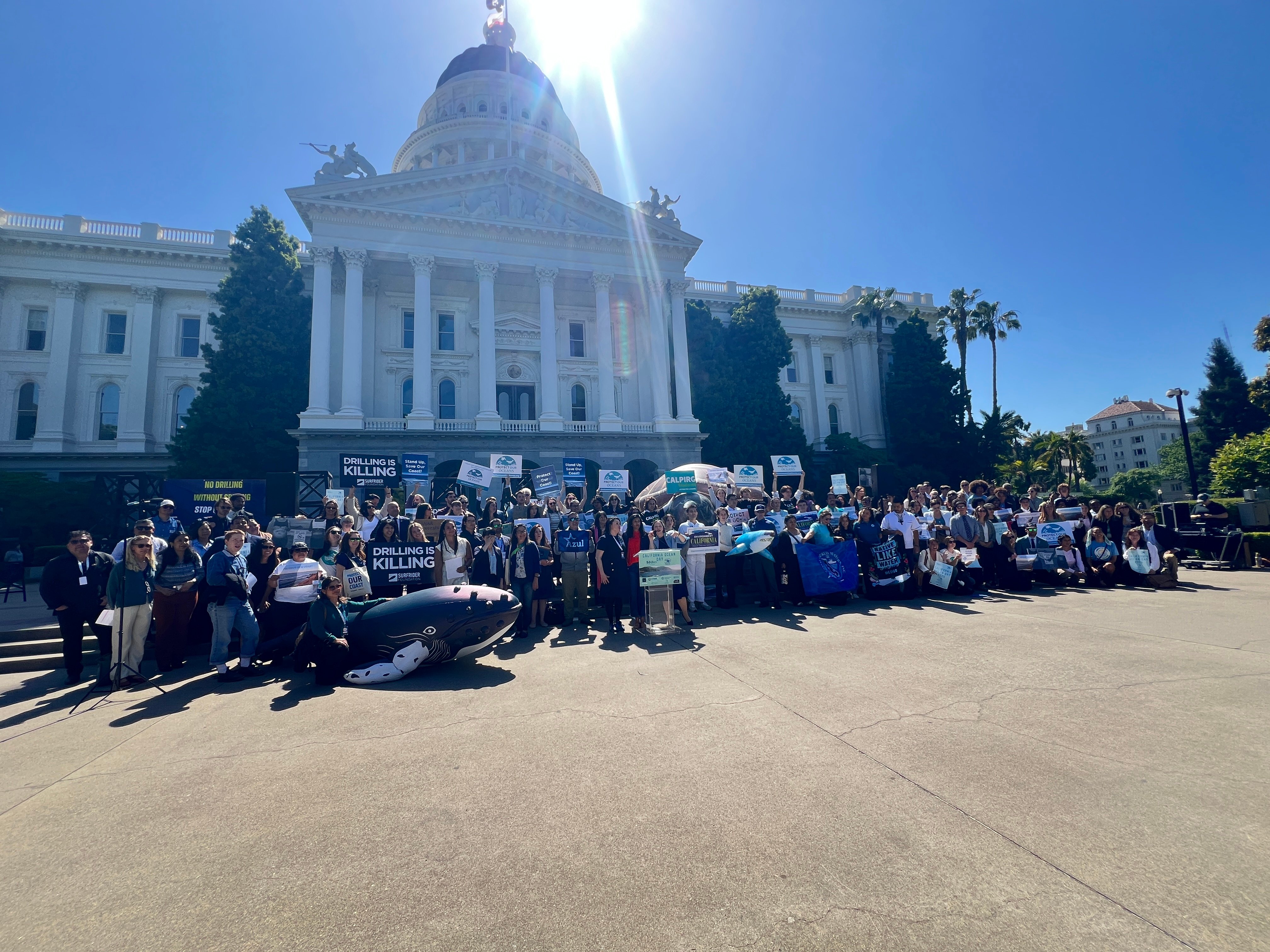
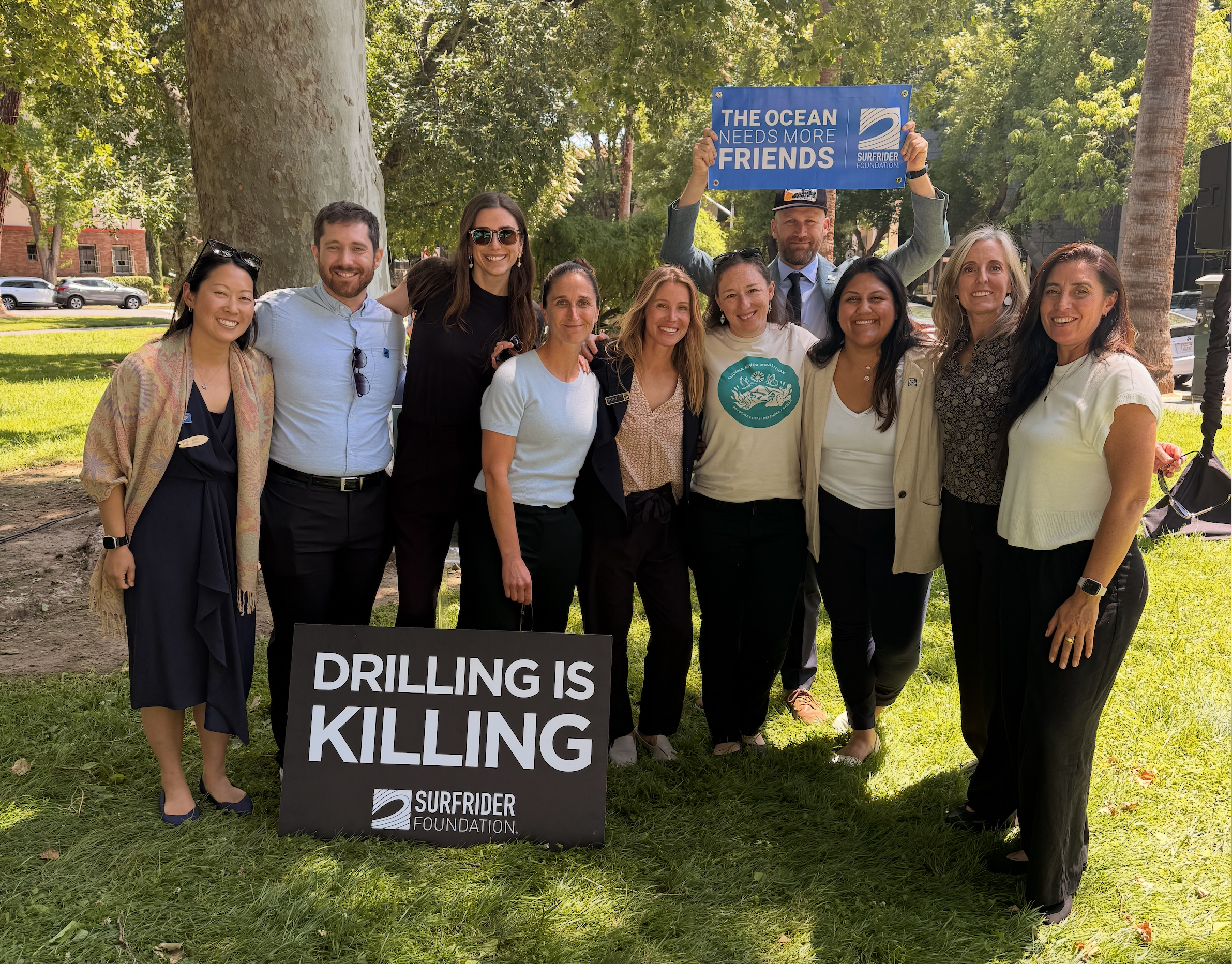
Environmental protection does not stop at the shoreline. This Earth Month, Surfrider volunteers traveled to Sacramento for California Ocean Day to meet directly with state legislators and advocate for policies that protect California’s coast and ocean ecosystems.
This year marked the 21st annual California Ocean Day and brought together nearly 300 advocates from across the state to support legislation focused on stopping new offshore oil drilling, reducing plastic pollution, protecting clean water, and expanding equitable coastal access.
The event also celebrated the 50th anniversary of the California Coastal Act, recognizing decades of work to preserve public access and protect California’s shoreline. Throughout the event, advocates discussed the importance of defending the Coastal Act against ongoing threats and ensuring California’s coast remains protected for future generations.
Surfrider volunteers joined lobbying meetings throughout the Capitol, speaking directly with legislators and staff about the urgent need for stronger environmental protections, including opposition to expanded offshore oil drilling along California’s coast. Ocean Day's legislative priorities included many bills Surfrider has prioritized — learn more at california.surfrider.org/2026-legislation.
Taking Action Nationally Through Coastal Recreation Hill Day
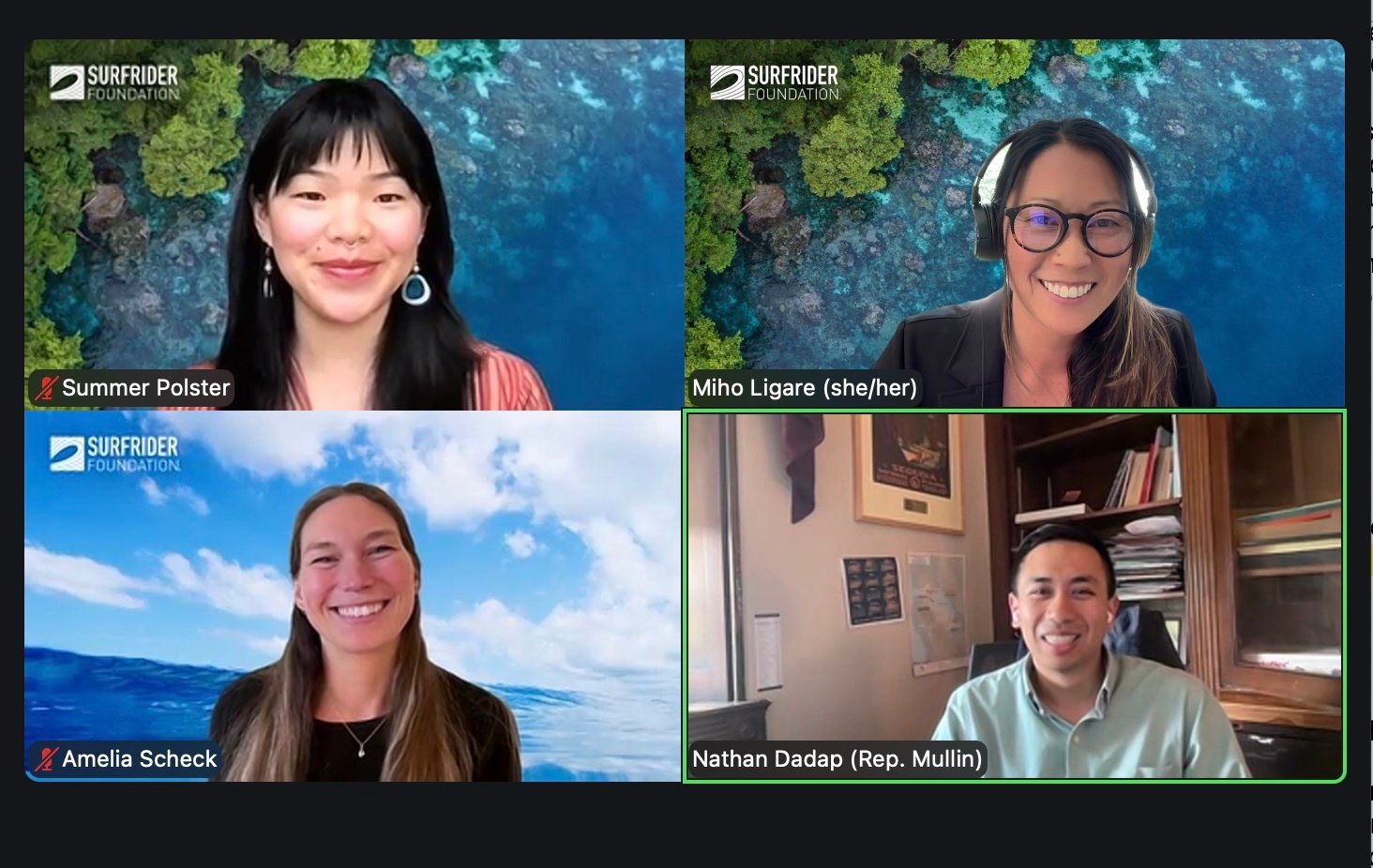
Surfrider members also participated virtually in Coastal Recreation Hill Day, connecting with federal representatives to advocate for policies that support clean water, healthy beaches, public access, and climate resilience nationwide.
A major focus of this year’s conversations was opposition to expanded offshore oil drilling and the protection of coastal communities and ecosystems from the risks associated with offshore extraction.
Virtual advocacy events like Hill Day make it possible for community members across the country to engage directly in the democratic process and elevate the importance of coastal protection at the federal level.
By combining grassroots action with policy advocacy, Surfrider continues to demonstrate that meaningful environmental change happens both on the beach and in government.
Looking Ahead
Earth Month may only last a few weeks, but the work continues year-round. Every cleanup, restoration project, water test, advocacy meeting, and community conversation contributes to a healthier coastline and stronger environmental movement.
To everyone who volunteered and advocated: thank you for helping protect the places we love.